Canary Wharf office rubbish removal options near Blackwall
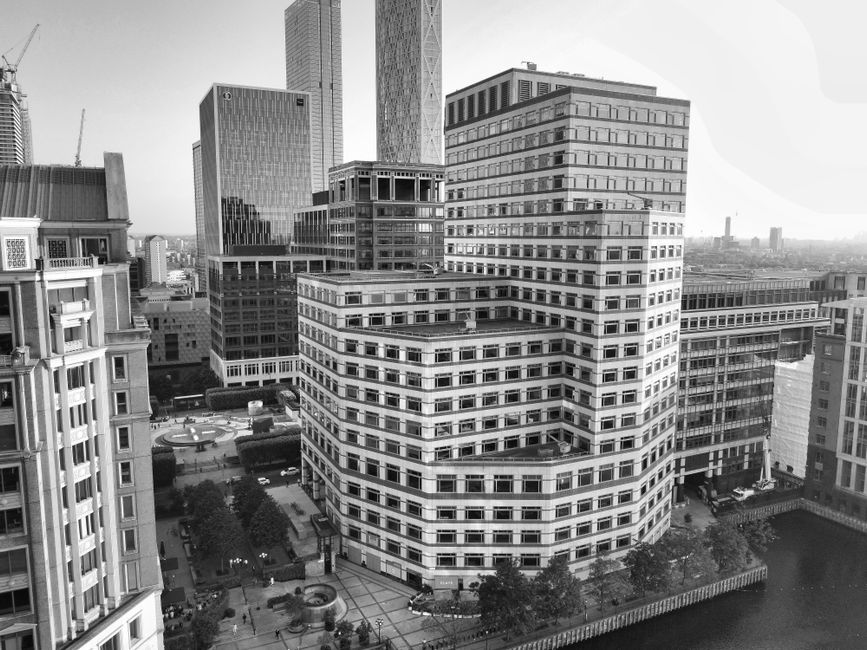
If you are trying to sort out Canary Wharf office rubbish removal options near Blackwall, you are probably dealing with a familiar mix of pressure and mess: desk clear-outs, old chairs, broken monitors, piles of cardboard, and maybe a deadline that should have been a week less optimistic. The good news is that there are sensible ways to handle it without turning the office into a half-finished storage room. This guide explains the main options, how they work, what to watch out for, and how to choose a service that keeps disruption low and standards high.
Whether you are moving floors, refreshing a workspace, or simply clearing accumulated waste that has quietly taken over the spare corner, the right approach can save time, avoid hassle, and reduce the risk of compliance problems. Let's make it straightforward.
Why Canary Wharf office rubbish removal options near Blackwall Matters
Office rubbish is rarely just "rubbish". In a business district like Canary Wharf, it often includes mixed materials, sensitive paper waste, packaging from fit-outs, office furniture, appliances, and sometimes items that need careful segregation. Near Blackwall, accessibility, traffic, timing, and building rules can all shape what is possible and how smoothly it runs.
That matters because office waste has a habit of becoming expensive in three different ways: lost staff time, unnecessary storage, and avoidable compliance risk. A few bags of waste may seem minor, but once you start adding desks, pedestals, filing cabinets, IT kit, and a mountain of shredded paper, you need a proper plan.
There is also the reputation angle. Staff notice when an office is organised. Clients notice too. A clear, tidy workspace usually feels calmer, and in a busy area like this, that calm is not a luxury. It helps people work.
In practical terms, the right rubbish removal option near Blackwall is the one that fits your building access, the volume of waste, the type of items, and how quickly you need the space back. Simple idea, but it saves a lot of headaches.
How Canary Wharf office rubbish removal options near Blackwall Works
Most office rubbish removal jobs follow a fairly predictable pattern, though the details can vary. You assess the waste, choose a removal method, arrange access, and have the material collected and sorted for recycling, disposal, or specialist handling where needed.
For offices close to Canary Wharf and Blackwall, the process often starts with a quick site review. A good provider will want to know whether the waste is on one floor or several, whether there is lift access, if loading restrictions apply, and whether any of the items are confidential or hazardous. No one wants surprises when a team turns up with a van and a building concierge asks awkward questions. Happens more often than you think.
In many cases, office rubbish removal is arranged as a same-day or scheduled collection. The crew loads the waste manually, which is useful for buildings where large skips are awkward, obstructive, or simply not allowed. For bulkier clear-outs, the team may separate furniture, appliance waste, paper, and general rubbish so that sorting is easier later.
For companies handling sensitive records, a service such as confidential shredding can be part of the process. For fit-outs or refurbishments, a specialist approach like builders waste clearance may be more appropriate because it covers heavier mixed debris.
And if the clearance is part of a wider move, it may make sense to look at office clearance as a broader service rather than trying to stitch together several smaller jobs. That can be cleaner from a logistics point of view, and frankly less annoying for everyone involved.
Key Benefits and Practical Advantages
The main benefit is obvious: you get the waste removed without your team having to spend half a day hauling it downstairs or trying to find room for a skip that blocks the front access. But the real value goes deeper than that.
- Less disruption to staff - collection can be timed around opening hours, meetings, or building access windows.
- Better space recovery - cleared areas can be reused quickly, which is especially helpful during reconfigurations or moves.
- Improved recycling opportunities - when waste is sorted properly, more material can usually be diverted from general disposal.
- Safer working conditions - fewer trip hazards, less manual handling by staff, and reduced clutter around exits and walkways.
- More predictable handling of awkward items - things like monitors, fridges, or broken chairs are dealt with in the right way.
A less obvious advantage is morale. People really do work better when the office feels under control. You notice it in the first ten minutes after a clear-out: the room sounds different, looks bigger, and everyone stops apologising for "that pile over there".
If the project involves more than office waste, it can help to combine related removals. For example, old desks or cabinets may fall under furniture clearance, while broken appliances may need fridge and appliance removal. Matching the service to the waste type usually improves efficiency.
Who This Is For and When It Makes Sense
This kind of clearance is useful for a wide range of businesses, not just large corporates. In fact, some of the most common jobs are for small and mid-sized offices that have simply outgrown their space or accumulated years of spare equipment.
You may need office rubbish removal near Blackwall if you are:
- moving to a new floor or new building
- refreshing the office layout
- disposing of old desks, chairs, and storage units
- clearing archive rooms or filing areas
- dealing with excess packaging from deliveries or installations
- emptying out a meeting room, storeroom, or server-adjacent space
- handling end-of-lease clearance requirements
It also makes sense when waste has become too mixed for ordinary internal disposal. A few sacks of paper and cardboard are one thing. A basement filled with broken furniture, tangled cables, and obsolete printers is another entirely.
For businesses with mixed premises, the same provider may also be able to help with business waste removal, or with domestic-style overflow if staff are clearing adjacent storage at the same time. The point is to keep the workflow sensible. No need to overcomplicate it.
Step-by-Step Guidance
If you want the process to go smoothly, it helps to treat the clearance as a small project rather than a one-off panic. Here is a simple sequence that usually works well.
- Identify the waste types
Separate general rubbish, cardboard, office furniture, electrical items, confidential paper, and anything potentially hazardous. This makes quoting and planning much easier. - Measure the scale
Count desks, chairs, boxes, filing units, or sacks where possible. Rough estimates are fine, but the more specific you are, the fewer surprises later. - Check building access
Think about lifts, parking, loading bays, entry permissions, and time restrictions. In Canary Wharf, access rules can matter as much as the waste itself. - Flag any specialist items
Items such as fridges, batteries, IT equipment, chemicals, or sharp materials may need different handling. Do not assume everything can be taken in the same pile. - Choose the right service scope
For a full office strip-out, office clearance may be the best fit. For mixed waste from alterations, consider waste removal or a more specific service. - Book a time that limits disruption
Early morning or quieter windows often work best. If staff are still on site, stage waste in a designated area so the crew can move quickly. - Confirm sorting and recycling approach
Ask how the waste will be handled, especially if you care about recycling targets or sustainability reporting.
A tiny bit of planning usually cuts the actual removal time in half. Sometimes more.
Expert Tips for Better Results
After enough office clear-outs, a few things become obvious.
First, stage waste by category. If desks are stacked with cardboard on top and IT equipment underneath, the crew loses time unravelling the whole pile. Sorting by type makes the job faster and safer.
Second, label what must not be mixed. Confidential files, reusable furniture, and anything fragile should be separated early. A marker pen and two minutes of attention can prevent a lot of grumbling later.
Third, be honest about access. If the lift is tiny, the loading bay is awkward, or the building only allows collections in a short slot, say so upfront. It is far better than discovering it at 8:15 on a Monday morning.
Fourth, think beyond removal. If usable furniture still has life in it, see whether it can be redirected through furniture disposal rather than treated as generic waste. Not every old chair belongs in the same pile, even if it looks tired and slightly offended by the whole thing.
Fifth, keep an eye on the schedule. Office rubbish removal often goes best when teams have ten minutes to breathe before and after. Rushing creates mistakes; a calm handover usually does not.
Expert summary: The best office rubbish removal option is rarely the cheapest quote on paper. It is the one that matches the waste type, access conditions, and timeframe without creating extra work for your team.
Common Mistakes to Avoid
Most problems are avoidable. The tricky part is that they are also very easy to make when everyone is busy.
- Underestimating the volume - that "small clear-out" often turns into three loads once the cupboards are opened.
- Forgetting about access rules - building management may have stricter requirements than expected.
- Mixing every item together - this slows sorting and can create issues for specialist waste.
- Ignoring confidential material - paper documents should never just be thrown into general waste because it is quicker.
- Leaving hazardous items unidentified - batteries, chemicals, and some electrical components need careful handling.
- Booking too late - if you are near a move-out date, leaving it until the end is a classic recipe for stress.
Another common one: assuming a skip is always the simplest answer. Sometimes it is. Sometimes it is not. For offices in busy areas, loading, permits, and space constraints can make a skip far less convenient than an organised collection. If you want to compare what can and cannot go into one, the page on what can go in a skip is useful as a reference point.
Tools, Resources and Recommendations
You do not need specialist software to organise office waste, though a few simple tools make life easier.
- Room-by-room inventory - a basic spreadsheet or even a notepad list helps you count items.
- Colour-coded sacks or labels - good for separating paper, mixed rubbish, and items for reuse.
- Building access notes - keep the loading bay, lift, and contact details in one place.
- Photo estimates - a few clear pictures can be enough for a realistic quote.
- Collection timetable - helpful if staff need to move between desks or meeting rooms during the process.
On the service side, the most useful pages to review are pricing and quotes if you want to understand how jobs are usually estimated, and recycling and sustainability if environmental handling matters to your business.
If you are clearing out not just an office but also furniture from a nearby flat, storage unit, or staff accommodation, services like flat clearance, home clearance, or house clearance may also be relevant. Different setting, same principle: sort first, remove second.
Law, Compliance, Standards, or Best Practice
For office rubbish removal, compliance is mostly about handling waste responsibly, protecting confidential information, and making sure anything hazardous is dealt with properly. You do not need to become a legal specialist, but you do need to be careful.
In UK business practice, waste should be managed by an appropriate provider and separated sensibly where required. Confidential paper, customer records, staff files, and financial documents should be protected from casual exposure. Electronics, batteries, and certain appliances should not be treated like normal rubbish because they can contain components that need special handling.
It is also good practice to check that your chosen provider has sensible insurance and safety procedures. For your own peace of mind, pages such as insurance and safety and health and safety policy are worth reviewing before you book. That is just common sense, really.
If your office stores sensitive documents, pair removal with secure destruction through confidential shredding. It is one of those jobs that is only invisible when it has been done properly.
For items such as fridges, freezers, and other appliance waste, separate treatment may be needed. That is where fridge and appliance removal becomes more relevant than standard general waste collection. And if anything falls into a higher-risk category, such as chemicals or other problematic materials, look at hazardous waste disposal with extra care.
Options, Methods, or Comparison Table
There are several ways to deal with office rubbish near Blackwall. Each has a place, depending on volume, access, timing, and what you are getting rid of.
| Option | Best for | Pros | Watch-outs |
|---|---|---|---|
| Man-and-van style collection | Small to medium office clear-outs | Flexible, quick, minimal disruption | Needs good item sorting and accurate descriptions |
| Dedicated office clearance | Full room, floor, or move-out jobs | Handles mixed office waste well, less staff labour | May need more detailed planning before collection |
| Skip-based approach | Sites with space and steady waste generation | Useful for ongoing work or large volumes | Access, permit, and loading limitations can be awkward |
| Specialist removals | Furniture, appliances, shredding, or hazardous items | Better handling of specific waste streams | May need more than one service if the waste is mixed |
In real life, the best choice is often a blend. A single office move may require one collection for furniture, one for confidential paper, and a separate stream for electronics. That sounds a bit fiddly, but it is usually the cleanest way to do it.
If you are not sure whether your waste is mostly office rubbish, furniture, or renovation debris, start by comparing the most relevant pages first: office clearance, furniture clearance, and builders waste clearance. That usually clarifies the path pretty quickly.
Case Study or Real-World Example
Picture a small financial services office near Canary Wharf, with a storage room that has become a graveyard for old chairs, broken drawers, archive boxes, and a couple of redundant printers. Nothing dramatic. Just accumulated clutter, the sort that grows quietly in the background while everyone is too busy to deal with it.
The team needs the room back for hot-desking, but the building has tight access windows and limited loading space. Staff cannot spare the time to move everything themselves, and the office manager is understandably keen to avoid a week of disruption.
The practical route is to identify the items, separate confidential documents for shredding, flag the two appliances, and book an office-focused collection. The clearer the prep, the easier the removal. After that, the room is empty, the new layout can go ahead, and people stop stepping around cardboard towers every time they head to the kettle. Small victory, but a real one.
If the office had also been changing furniture, the job might have been better handled as a combined office clearance with furniture-specific handling built in. That kind of joined-up planning is often what saves time.
Practical Checklist
Use this before you book.
- Identify all waste types: paper, cardboard, furniture, IT, appliances, and general rubbish.
- Separate confidential material from normal waste.
- Check building access rules, lift times, and loading options.
- Measure or estimate the quantity of items.
- Note any hazardous or awkward items in advance.
- Decide whether you need office clearance, business waste removal, or a specialist service.
- Ask about recycling, sorting, and disposal handling.
- Confirm collection timing so staff disruption stays low.
- Review the provider's safety and insurance information.
- Keep a contact person available on the day.
That may look simple, and that is the point. Simple is good here. Simple works.
Conclusion
Choosing Canary Wharf office rubbish removal options near Blackwall is mostly about matching the waste to the right service and planning the collection around real building constraints. When you do that well, the process is calm, efficient, and surprisingly satisfying. You get the space back, the office feels lighter, and the job stops hanging over everyone's head.
If you are weighing up costs, handling, and convenience, start with the waste type, then look at access, then decide whether you need a full clearance or a more specific service. That order usually leads to a better outcome than rushing straight to the cheapest quote. Truth be told, a good removal plan tends to pay for itself in saved time and reduced stress.
Get a free quote today and see how much you can save.
And if you are still deciding, that is fine. A careful clear-out done properly always feels better than a hurried one done twice. There is no prize for chaos.
Frequently Asked Questions
What are the main office rubbish removal options near Blackwall?
The main options are office clearance, general business waste removal, specialist furniture disposal, confidential shredding, appliance removal, and skip-based collection where access allows. The best choice depends on the type and volume of waste.
Is office rubbish removal suitable for a small business?
Yes. Small businesses often benefit most because they usually do not have the staff or time to move bulky waste themselves. Even a modest office can accumulate far more clutter than it expects.
Can office furniture be collected with general waste?
Sometimes, but not always in the most efficient way. Large or reusable items are often better handled through furniture-focused collection rather than mixed rubbish pickup.
What should I do with confidential paper waste?
Keep it separate from general rubbish and arrange secure destruction through confidential shredding. That helps reduce the risk of documents being exposed or mixed with ordinary waste.
Are office fridges and appliances treated differently?
Usually, yes. Appliances often need separate handling, so fridge and appliance removal is the safer and cleaner option than putting them in general office waste.
How do I know whether I need office clearance or business waste removal?
If you are emptying rooms, removing furniture, and clearing a large portion of the office, office clearance is often the better fit. If you mainly need recurring or mixed business waste collected, business waste removal may be enough.
What if my office is in a building with tight access?
That is very common around Canary Wharf. You will need to mention lift access, loading restrictions, concierge rules, and collection timing before booking so the removal can be planned properly.
Can waste from an office move be combined with builders' debris?
Yes, but it should be described accurately. If you have mixed materials from refurbishments, builders waste clearance may be more suitable than a standard office collection.
How can I make the removal faster on the day?
Sort items in advance, label anything confidential or hazardous, clear access routes, and keep a responsible contact person available. A little prep goes a long way.
Is recycling really possible with office waste?
Often, yes. Cardboard, some furniture components, and selected office materials can usually be sorted for recycling or reuse, depending on condition and composition.
What should I check before booking a waste removal service?
Check the provider's pricing structure, safety information, insurance, handling of confidential or hazardous items, and whether the service matches your waste type. The details matter more than people think.
Where can I find more details about what the service covers?
Useful starting points are office clearance, pricing and quotes, recycling and sustainability, and waste removal. If the job includes special items, look at the relevant specialist pages too.