Blackwall DLR quick rubbish removal guide for local homes
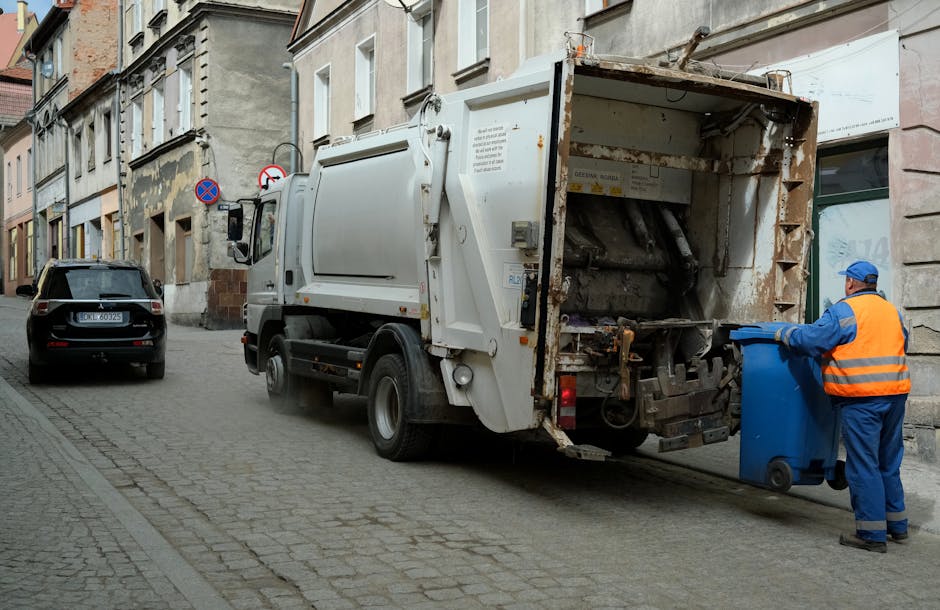
If you live near Blackwall DLR, you already know the rhythm of the area: busy mornings, tight parking, flats with awkward access, and the kind of everyday clutter that seems to multiply when you are not looking. This Blackwall DLR quick rubbish removal guide for local homes is here to make the whole process feel less like a headache and more like a simple plan. Whether you are clearing a few black bags, a worn-out sofa, old appliances, or a full room's worth of household waste, the goal is the same: get it gone quickly, safely, and without turning your hallway into a mini storage depot.
In practical terms, local rubbish removal is about speed, access, sorting, and knowing what can be taken away in one visit. It also helps to understand what to prepare before anyone arrives, what should never be mixed in with general waste, and how to choose the right service for the job. Let's face it, nobody wants three separate trips, a blocked stairwell, and a bin day that never quite solves the problem.
Below, you will find a clear step-by-step guide, a useful comparison table, a checklist, and a few plain-English best practices that are actually useful in real homes around Blackwall and the nearby DLR links.
- Why it matters locally
- How the process works
- Key benefits and practical advantages
- Who this is for and when it makes sense
- Step-by-step guidance
- Expert tips for better results
- Common mistakes to avoid
- Tools, resources and recommendations
- Law, compliance, standards and best practice
- Options, methods and comparison
- Case study or real-world example
- Practical checklist
- Conclusion
- Frequently asked questions
Why Blackwall DLR quick rubbish removal guide for local homes Matters
Blackwall sits in a part of London where home space is often valuable and limited. That alone changes how rubbish removal should be handled. In a larger suburban property, you might be able to stack items in the garden or garage for a few days. Around Blackwall DLR, many homes and flats simply do not have that luxury. Stairs are narrower, lifts are shared, building entrances are busy, and parking can be a bit of a puzzle. Quick rubbish removal matters because delay usually makes access harder, not easier.
There is also the practical side. A small pile of waste can become a trip hazard. A broken wardrobe leaning in a corridor is never just "temporarily there" for long. And if you are living with builders, moving house, or doing a seasonal clear-out, the mess can start affecting daily life fast. You notice it in the smell, the dust, the frustration. Small things, but they add up.
Another reason this topic matters is that not every item should go out with household bins. Mattresses, fridges, broken furniture, and mixed renovation debris often need a more deliberate removal approach. If you sort that early, you save time later. If you do not, you end up standing there on a Saturday morning wondering why the lift still smells faintly of old chipboard. Not ideal.
For many local homes, the quickest route is to combine sensible sorting with a professional collection arranged around your access and timing. That is where services such as home clearance or general waste removal can be especially useful, because they are designed for exactly this sort of mixed domestic clutter.
How Blackwall DLR quick rubbish removal guide for local homes Works
The basic process is straightforward, but the details matter. In most cases, quick rubbish removal for a local home follows a simple pattern: identify what needs to go, check access, get a quote or booking, set the waste aside safely, and then let the collection team do the lifting and loading. That is the short version. The longer version is where things get smoother.
First, separate the waste into sensible groups. General household rubbish is one thing. Bulky items are another. Electricals, white goods, and hazardous items need special attention. If you know what is going and what is staying, the collection can usually be completed much faster. That sounds obvious, but people often skip it and then wonder why the job drags on.
Second, think about access. If you live in a flat near Blackwall DLR, the team may need to work around limited parking, a shared entrance, or a lift that is just a bit too small for the item you thought would "definitely fit". If there are stairs, mention them. If the item is on the third floor and the lift is out of order, say that early. Nobody enjoys surprises when carrying a wardrobe downstairs.
Third, expect the service to assess the load and the effort involved. Good rubbish removal is not just about the amount of waste; it is also about time, labour, and the nature of the items. A few bin bags and some loose clutter are very different from a heavy sofa, a fridge, and a stack of broken shelving from a recent DIY job.
For more specialised needs, you may want to look at linked services such as furniture disposal, mattress and sofa disposal, or fridge and appliance removal. Those pages are useful when the waste is not just general clutter but specific bulky household items that need the right handling.
Key Benefits and Practical Advantages
The biggest advantage is obvious: you get your space back. But there are a few other benefits that are worth spelling out.
1. Faster turnaround. When rubbish is removed in one go, you do not live with the mess for another week or two. That matters if you are preparing for guests, renting out a flat, or simply trying to breathe a little easier in your own kitchen.
2. Less physical strain. Heavy lifting is where a lot of DIY clear-outs go wrong. A bulky item carried awkwardly down stairs can lead to damage, a strained back, or both. To be fair, some items look lighter until you try moving them. That old chest of drawers? It has opinions.
3. Better sorting and disposal. A professional service can separate items more efficiently and direct them to the appropriate disposal route. That often means a better outcome for recycling and sustainability, especially when mixed materials are involved.
4. Cleaner shared spaces. In flats and converted houses around Blackwall, keeping hallways and entrances clear is not just courteous, it is practical. Neighbours notice. Building managers notice. You notice when the route is blocked, too.
5. Reduced risk of illegal disposal mistakes. A lot of people do not mean to do the wrong thing; they just do not know the rules around certain items. Using a proper collection helps avoid those awkward, avoidable errors.
If you are weighing up costs and service levels, it may help to review pricing and quotes so you understand how jobs are typically assessed. It is not always about choosing the cheapest option. Sometimes the smarter option is the one that handles access, loading, and disposal properly the first time.
Who This Is For and When It Makes Sense
This guide is for local homeowners, tenants, landlords, and anyone living in or around Blackwall DLR who needs rubbish removed quickly without turning the day into a project. That includes people in flats, terraced homes, converted buildings, and short-term rental properties.
It makes sense when:
- you have just finished a declutter and the bags are too much for normal bins
- you are replacing furniture and need the old items gone the same day or soon after
- you are clearing a loft, garage, garden shed, or spare room
- you are moving out and need the place left tidy
- you have DIY or light refurbishment waste that should not sit around
- you are dealing with a short-notice landlord, sale, or end-of-tenancy deadline
For example, a family might call after a weekend of sorting through a loft. One minute it is "just a few boxes", then suddenly there is a broken fan, old children's toys, a carpet roll, and a bag of cables nobody can identify. That is usually the point where quick removal stops being a luxury and becomes a relief.
It is also a strong fit if your waste is a mix of different room types. In that case, broader services like flat clearance, house clearance, or loft clearance may be more appropriate than trying to piece together several smaller pickups.
Step-by-Step Guidance
If you want the cleanest, quickest result, follow this sequence. It works well in real homes, and it keeps the whole process calmer.
- Walk through the property. Make a simple list of what needs to go. Include bulky items, loose rubbish, and anything awkward like broken furniture or appliances.
- Separate special items. Put aside anything that may need a special disposal route, such as fridges, electrical items, or potentially hazardous materials.
- Check access. Measure doorways if needed, note stairs or lift access, and think about where loading will happen. If parking is tight, flag that early.
- Choose the right service. A general rubbish collection is fine for mixed waste, but room-specific or item-specific jobs may work better with a tailored clearance service.
- Request a quote or book in. If possible, describe the volume clearly and share photos. It saves a lot of back-and-forth and helps set expectations properly.
- Prepare the area. Move smaller loose items together, clear the path to the main exit, and keep children and pets away while loading is happening.
- Confirm what stays and what goes. This is a small step, but an important one. Once the loading starts, you do not want to be chasing items around the hallway.
- Check the space afterwards. A final walk-through makes sure nothing important was missed and the area is left tidy.
If you are looking for a straightforward route to book and manage the job, the book online option can be useful when you already know what needs removing and want to move quickly. Simple, no drama. Very welcome on a busy week.
Expert Tips for Better Results
A few small habits make a big difference.
Keep the waste accessible. Stacking everything neatly near the exit usually reduces labour time and makes the visit smoother. Even if the team can collect from inside the property, clear access helps.
Be honest about awkward items. A badly chipped wardrobe, a waterlogged mattress, or a fridge that weighs more than it looks can all affect planning. Accuracy helps everyone.
Do not mix categories unless necessary. Mixed loads are normal, but if you can keep recyclables, general clutter, and special items separate before collection, you usually make the process cleaner and faster.
Use the right service for the item. A sofa is not the same as builder's rubble. If you have ended up with renovation waste, check builders waste clearance. If the job is mostly appliances, look at the appliance removal service. Matching the service to the waste often means less faff and a neater result.
Think one step ahead. If clearing one room will reveal another pile, say so from the start. That way the service can plan properly and, where possible, complete the job in one visit.
Keep valuables and paperwork out of the pile. It sounds obvious, yet small documents, keys, chargers, and photos end up in rubbish bags all the time. Once gone, they are gone. Not a fun discovery.
One more thing: if the clear-out is tied to a larger home reset, it can be helpful to combine it with a broader service like furniture clearance or home clearance rather than trying to manage each item separately. That tends to be smoother, especially in smaller homes.
Common Mistakes to Avoid
Quick rubbish removal sounds simple, but a few easy mistakes can slow everything down or create extra cost.
- Underestimating volume. A pile that looks small in the corner can fill a vehicle faster than expected. Always err on the side of caution when describing the load.
- Leaving access issues until the last minute. If there is no parking, a blocked entrance, or a lift restriction, say so early. It avoids frustration and wasted time.
- Mixing hazardous items with general waste. Paint, solvents, chemicals, and certain electrical items need careful handling. They should never be thrown in casually with mixed rubbish.
- Forgetting appliance handling. Fridges, freezers, and some other appliances are not "just another item". They can need dedicated collection and processing.
- Assuming everything can go at once. Some items may need separate treatment or cannot be taken with standard loads. Better to ask than guess.
- Waiting until the pile becomes unmanageable. Small regular clear-outs are usually easier than one giant panic job. Truth be told, that last-minute clean-up is where stress really kicks in.
If you are unsure whether something needs a specialist disposal route, have a look at hazardous waste disposal for the sort of items that require extra care. And for anything that could be classed as confidential paper waste, confidential shredding is the safer choice than mixing documents into a general bag.
Tools, Resources and Recommendations
You do not need a van and a toolbox to make rubbish removal easier, but a few simple tools help a lot.
- Strong bin bags or rubble sacks for loose household waste
- Labels or marker pens to mark keep, donate, recycle, and remove piles
- Measuring tape for bulky furniture, stair width, or doorway clearance
- Gloves for handling dusty or sharp-edged items
- Phone camera to document the load before booking or to remind yourself what is going
- Old blankets or cardboard to protect floors and walls while moving items
From a planning point of view, the most useful resource is simply a clear description of what you want removed. A quick photo set is often more helpful than a long explanation. One shot of the room, one of the bulky items, one of the access route, done.
It is also smart to understand the business side a little. Review payment and security if you want reassurance around the practicalities, and check insurance and safety if you want to know more about how careful handling is approached. For people who like to choose services with a greener mindset, recycling and sustainability is worth a look.
If you are dealing with anything more than basic domestic rubbish, a broader local service page such as waste removal is often the best starting point. It keeps the process simple and gives you a cleaner overview of what can be taken.
Law, Compliance, Standards, or Best Practice
For local homeowners, the key thing is to make sure waste is handled responsibly and passed to a legitimate collector. In the UK, household waste should not be fly-tipped, and you should be careful about where your rubbish ends up. That is not just a legal concern; it is also a reputation and neighbourly issue. Nobody wants to discover their old sofa in a ditch somewhere with their address still on a label. Not exactly the kind of local footprint anyone wants.
Good practice usually includes:
- sorting waste sensibly before removal
- keeping hazardous items separate
- using a provider that follows appropriate health and safety practices
- making sure electrical items and white goods are handled correctly
- avoiding any disposal route that looks informal, undocumented, or suspiciously cheap
For homes and flats, there is also a practical duty of care to keep entrances, stairs, and common areas safe. Even a short clear-out can cause slips or block access if items are left in the wrong place. That is why a service that understands handling, loading, and safe movement matters so much.
If you want to understand the provider's approach in more detail, pages such as health and safety policy, complaints procedure, and terms and conditions can help set expectations clearly. It is the boring stuff, maybe, but it matters. Quite a lot, actually.
Options, Methods, or Comparison Table
Different rubbish removal methods suit different situations. Here is a simple comparison to help you choose.
| Method | Best for | Strengths | Watch-outs |
|---|---|---|---|
| DIY bin-by-bin clearance | Very small amounts of light rubbish | Cheap, immediate, no booking | Slow, physically tiring, not suitable for bulky items |
| Skip use | Medium to larger projects with space for placement | Good for ongoing DIY waste, flexible over a few days | Needs space, permits or placement planning may be involved, loading is still your job |
| Professional rubbish removal | Mixed home waste, bulky items, quick clear-outs | Fast, labour included, suitable for awkward access | Needs clear description of the load and access |
| Specialist item clearance | Sofas, mattresses, fridges, office items, hazardous waste | Right handling for specific items, safer and more compliant | Must match the item to the correct service |
If your home is short on outdoor space or you simply want the job finished in one visit, professional removal usually wins on convenience. If you have a project that will run over several days and enough room to stage waste, a skip might suit better. And if the waste is mostly one type of item, a dedicated clearance page such as mattress and sofa disposal can be the neatest fit.
Case Study or Real-World Example
A very typical Blackwall scenario goes like this. A couple in a compact flat decide to clear out a spare room before a new baby arrives. The room starts with "just a few things" and ends with an old desk, a broken office chair, three bulging bags of clothes, a lamp that no longer works, and a flat-pack wardrobe that was never properly assembled in the first place. You know the sort.
They do three sensible things. First, they sort out anything they want to keep and move it to another room. Second, they take a few photos of the items and the hallway access. Third, they book a collection for a time that avoids the morning rush and the school run. That last bit matters more than people think. A narrow stairwell and a busy building entrance do not mix well with a rushed schedule.
When the team arrives, the items are ready, the path is clear, and the whole job is handled without fuss. The room is usable again the same day, which sounds ordinary until you have lived through a cluttered month and finally see the floor. It is a good feeling. Quiet, but good.
That same approach also works for a family clearing a garage, a landlord between tenancies, or someone preparing a property for sale. The principle is the same: plan the access, sort the load, and match the service to the waste. Simple, but it works.
Practical Checklist
Use this before booking a quick rubbish removal service for your home near Blackwall DLR.
- Identify every item you want removed
- Separate general waste, bulky items, electricals, and special waste
- Check stairs, lifts, narrow doorways, and parking access
- Measure large items if there is any doubt they will fit through the route
- Take a few photos of the waste and access area
- Move valuables, paperwork, and items you want to keep out of the way
- Make sure pets and children are kept clear during collection
- Confirm the booking details and the expected type of load
- Ask about any items that may need specialist handling
- Do a final sweep of the area once the rubbish is gone
Expert summary: For most local homes, the fastest rubbish removal is the one that is planned for access, sorted by item type, and matched to the right clearance service from the start. That little bit of prep saves time, stress, and those awkward "actually, can you take this too?" moments.
For a broader overview of the company's approach and background, you may also want to read about us. If you are mainly sorting out household contents rather than one-off rubbish, house clearance can be a better fit than a generic collection.
Conclusion
Blackwall DLR quick rubbish removal for local homes is really about making a busy, space-limited area work a bit more smoothly. The right approach is rarely complicated: sort the waste, think about access, choose the correct service, and avoid leaving awkward items until they become a problem. Do that, and the whole process becomes far less stressful.
If you are clearing one room, several bulky items, or a mixed load from a flat or house, the best results usually come from a calm, practical plan rather than a last-minute scramble. And honestly, a tidy room can change the feel of a home faster than people expect. One cleared corner often starts a much bigger reset.
Get a free quote today and see how much you can save.
When the clutter is gone, the space feels lighter, quieter, and a lot more like home again.
Frequently Asked Questions
What counts as quick rubbish removal for a local home in Blackwall?
It usually means a fast collection of household waste, bulky items, or mixed clutter from a flat or house, often arranged to suit local access and timing.
Can I book rubbish removal if I live in a flat near Blackwall DLR?
Yes. Flats are very common in the area, and the service just needs accurate access details such as stairs, lifts, and parking arrangements.
What items are usually removed from local homes?
Common items include bin bags, furniture, mattresses, appliances, boxes, loft clutter, garage waste, and light DIY debris. Always check about special items first.
Do I need to sort everything before collection?
Not perfectly, but basic sorting helps a lot. Separate anything hazardous, break down what you can, and keep access clear for the team.
Can old sofas and mattresses be taken away?
Yes, but they are usually best handled through dedicated disposal services such as sofa and mattress collection rather than mixed general waste.
What happens if I have a fridge or freezer to remove?
White goods often need specific handling, so it is best to mention them in advance and use the right appliance removal service.
Is rubbish removal better than hiring a skip for a home clear-out?
It depends on the job. If you want labour included and have limited space, removal is often easier. If you have room and time for an ongoing project, a skip may suit better.
How can I make the collection faster on the day?
Keep the waste near the exit if possible, clear the path, note access issues early, and make sure the items to be removed are easy to identify.
Are there any items that should not go in a normal rubbish collection?
Yes. Hazardous materials, some chemicals, and certain specialist items may need separate handling. If in doubt, ask before the collection happens.
Will the area be left tidy afterwards?
A good service should clear the waste and leave the main area tidy. It is always sensible to do a final walk-through just to make sure nothing was missed.
How do I know I am choosing a trustworthy provider?
Look for clear service information, sensible terms, transparent pricing, safety information, and a proper contact route. Those basics tell you a lot about how the provider works.
Can I use this guide for a bigger house clearance as well?
Absolutely. The same principles apply, though larger clearances may be better suited to broader services such as home clearance or house clearance rather than a small one-off rubbish pickup.